
What is Metal Injection Molding?
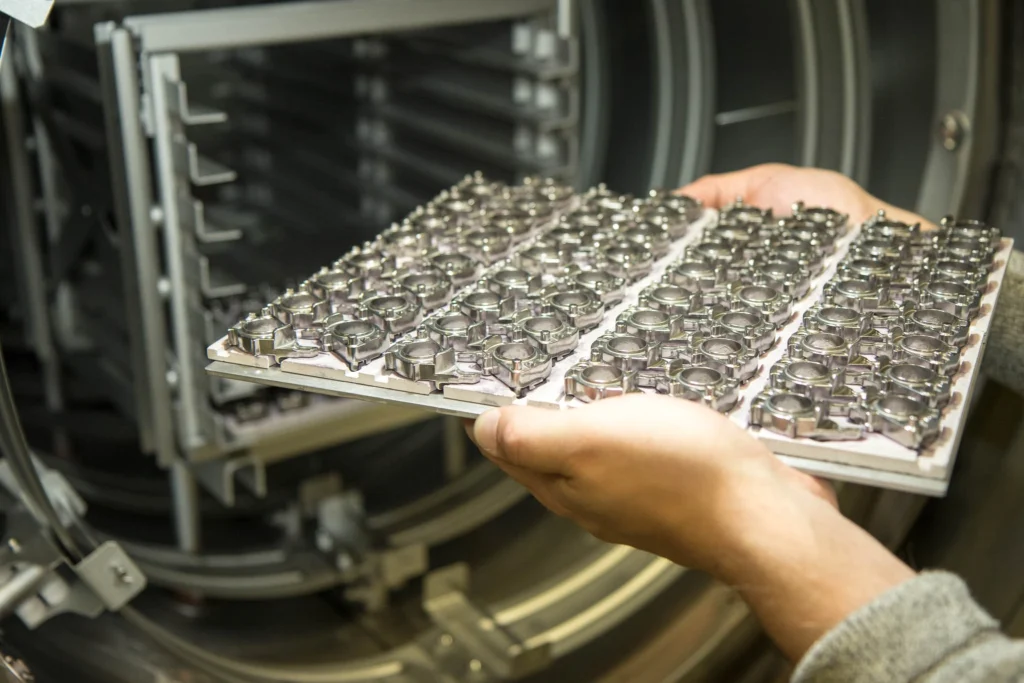
BestPro specializes in custom metal injection molding (MIM) and sintered metal parts for industries like automotive, medical, electronics, and defense.
We deliver high-precision, complex-shaped components with consistent quality, competitive pricing, and fast lead times. Whether for prototypes or large-scale production, our powder metallurgy team can help you optimize cost and performance.
BestPro will cooperate with you to assess the feasibility of MIM production cost, material, and manufacturing. We will also give our suggestion for design adjustment to achieve the best effect of Metal Injection Molding
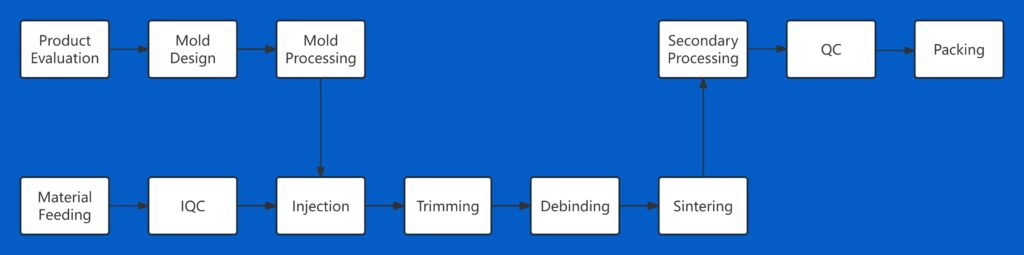
Metal Injection Molding (MIM) Process
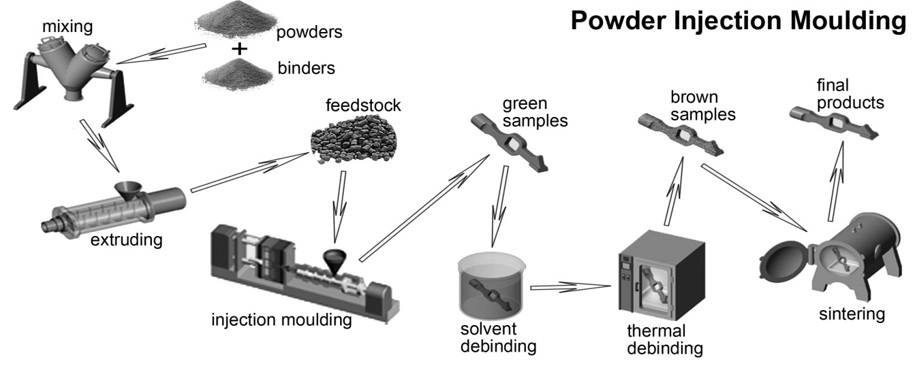
- Feedstock Compounding
The metal powder is evenly mixed with the organic binder and granulated to form the feed material - Injection Molding
The feed material is injected into a green body with a complex shape under semi-solid conditions - Debinding Process
The binder is removed from the green body after debinding - MIM Sintered
The final product with good mechanical and physical properties is sintered at high temperature
Advantages of the MIM Process
- Uniform molding density and good dimensional stability
- Complex three-dimensional structures can be formed at one time
- High precision, tolerance (±0.3%~±0.1%)
- Product density is as high as 98%, and mechanical properties such as strength, hardness, elongation, and fatigue resistance are close to forging materials
- High production efficiency and can be produced in large quantities continuously
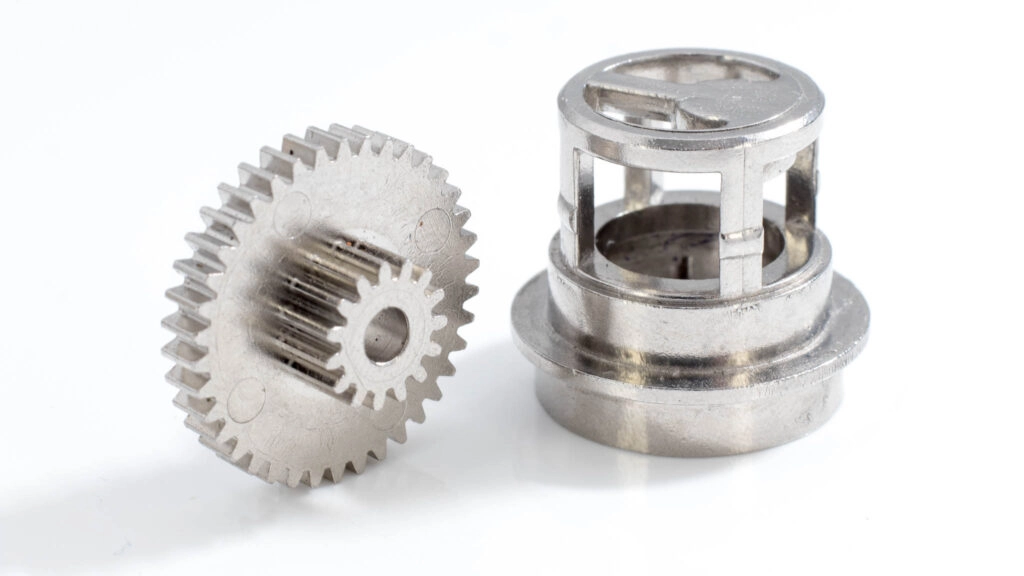
Industry Application Overview
| Industry | Common Parts | Materials | Surface Treatments | MIM Process Steps | Key Points & Challenges |
|---|---|---|---|---|---|
| Automotive | Gears, sensor housings, levers | Stainless steel (17-4PH, 316L), Fe-Ni alloys | Passivation, plating, heat treatment | Mixing → Injection molding → Debinding → Sintering | Complex geometries, mechanical strength, dimensional accuracy |
| Electronics | Connectors, hinges, shielding covers | Stainless steel, soft magnetic alloys | Electroplating, black oxide, polishing | Precise mold design → MIM forming → Sintering | Miniaturization, tight tolerances, surface smoothness |
| Medical Devices | Surgical tools, dental brackets, endoscopic parts | 316L, CoCrMo, titanium alloys | Electropolishing, passivation, polishing | Medical-grade powder → Injection → High-temp sintering | Biocompatibility, fine features, strict quality standards |
| Consumer Products | Watch parts, smartphone buttons, eyeglass hinges | 17-4PH, 304L, low alloy steel | PVD coating, polishing, sandblasting | Injection → Debinding → Sintering → Surface finish | Aesthetic surface, precise fit, mass production |
| Defense & Firearms | Triggers, safety levers, scope mounts | 17-4PH, tool steel, low alloy steel | Heat treatment, blackening, phosphate coating | High-strength MIM forming → Controlled sintering | Mechanical strength, fatigue resistance, batch consistency |
| Industrial Tools | Lock parts, valve components, knobs | Stainless steel, tool steel, magnetic alloys | Heat treatment, passivation, grinding | Mold fabrication → MIM forming → Post-machining | Wear resistance, repeatability, mold durability |
Notes:
- MIM Typical Materials: 17-4PH, 316L, 304L, Fe-Ni alloys, low alloy steels, CoCrMo, Ti alloys
- Key Features of MIM:
- Ideal for small, complex metal parts
- High production efficiency with tight tolerances (±0.03mm)
- Suitable for mass production of intricate geometries that are hard to machine
Need precision MIM parts? Contact our team for a quote.
Follow Us Through the Entire Project
Basic Product Information
Product name: Stainless steel hinge
Drawing No.: 902.00.03.0/000-01.0
Material: 316L
Shrinkage ratio: 1.165
Number of holes: 1X2
Dimensions: 29X24X10
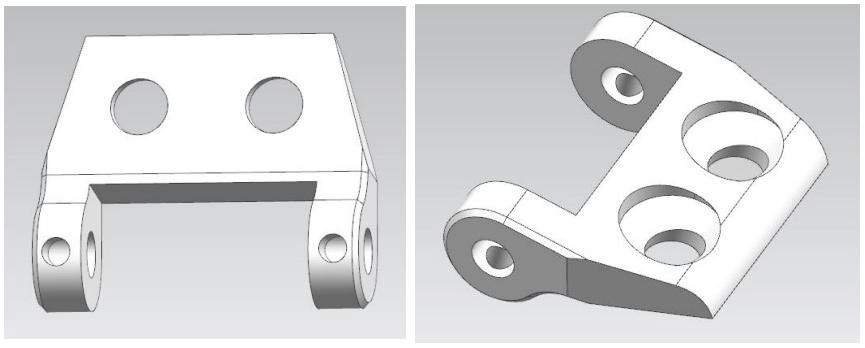
Ideal for producing small, intricate, and high-volume metal components.
Product Issues and Modification Suggestions
Suggested Modifications
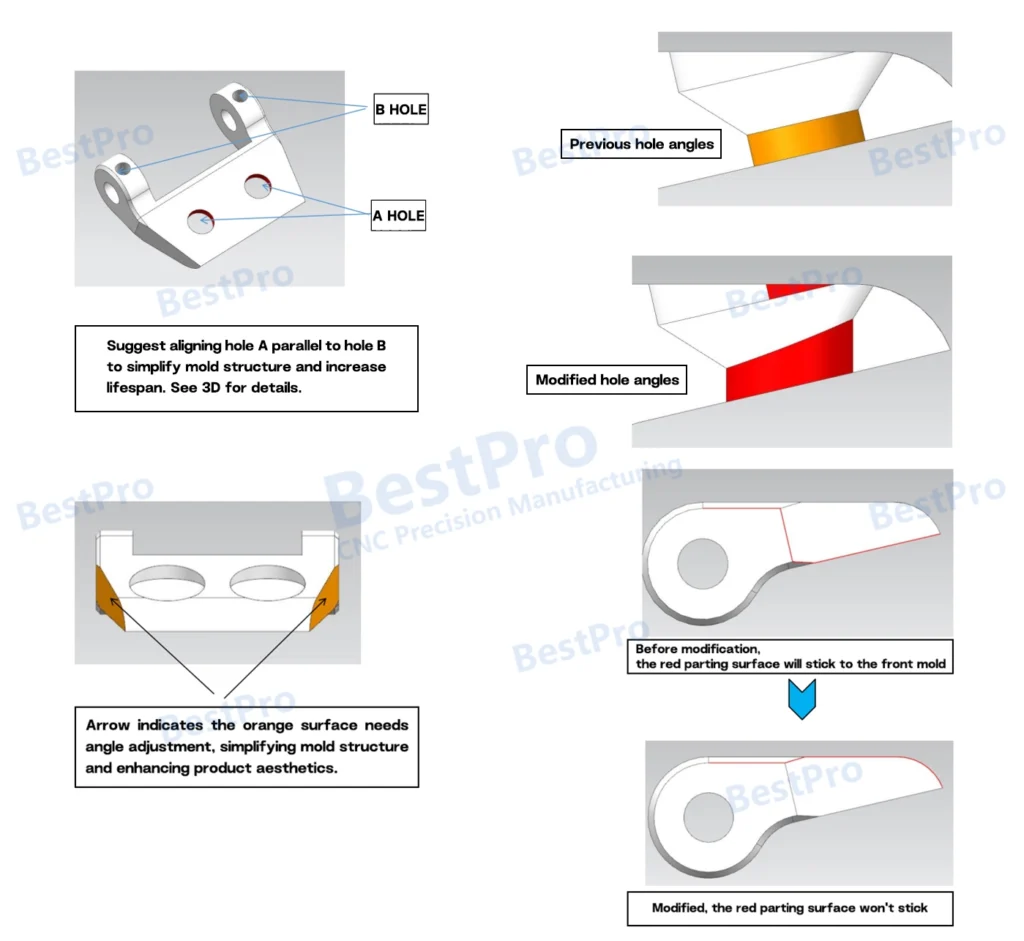
Draft Analysis
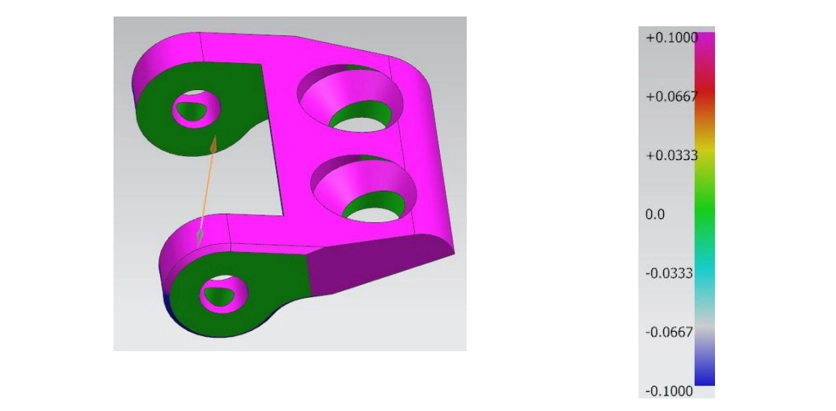
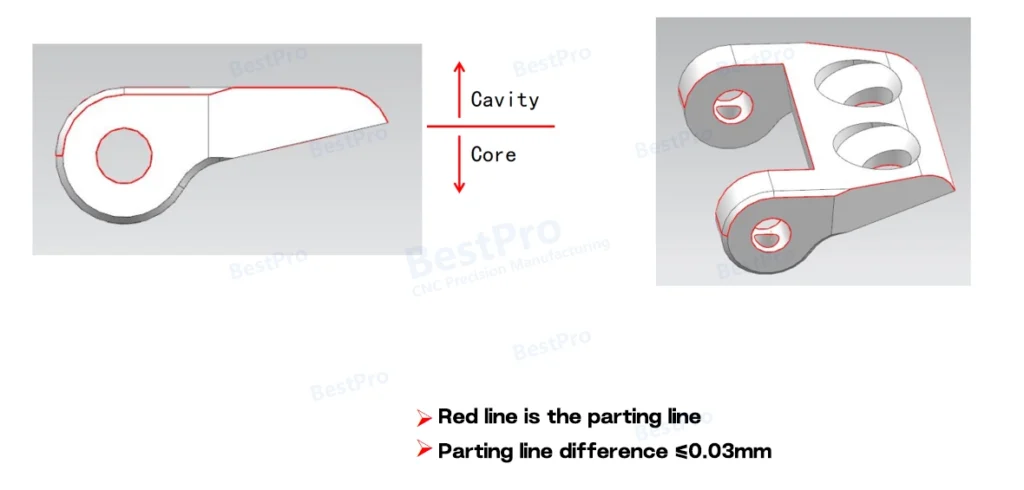
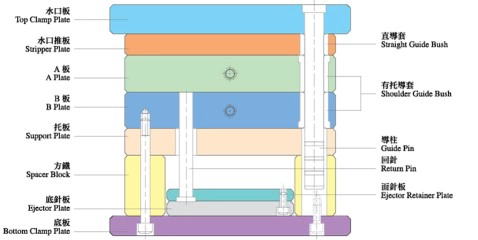
Injection Mold Structure Confirmation
Parting Line
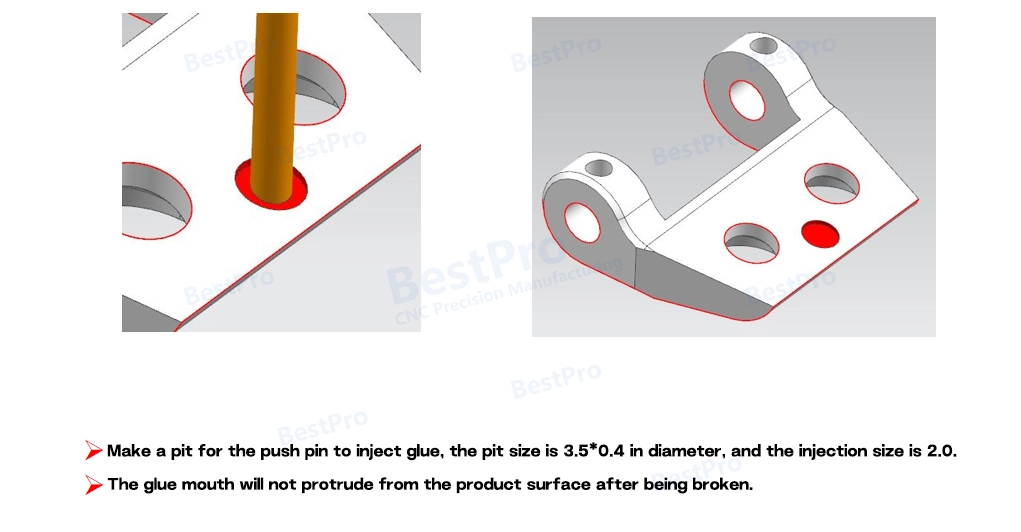
Glue Injection Scheme
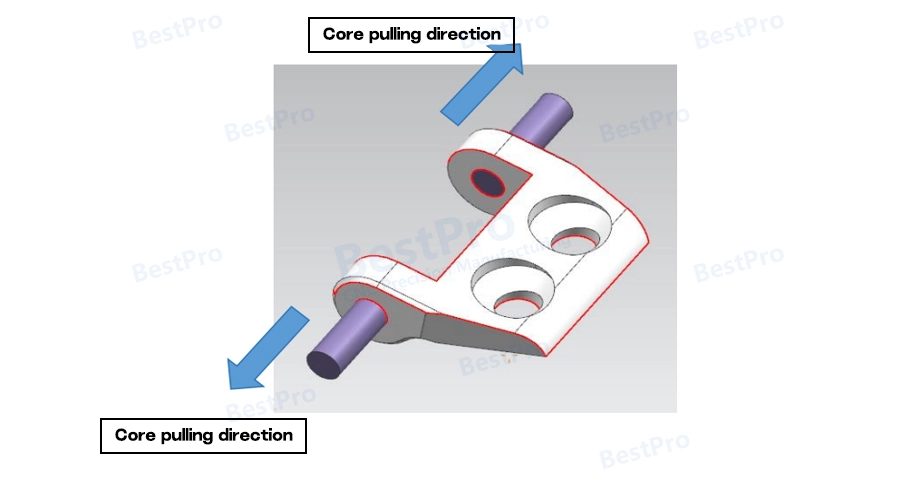
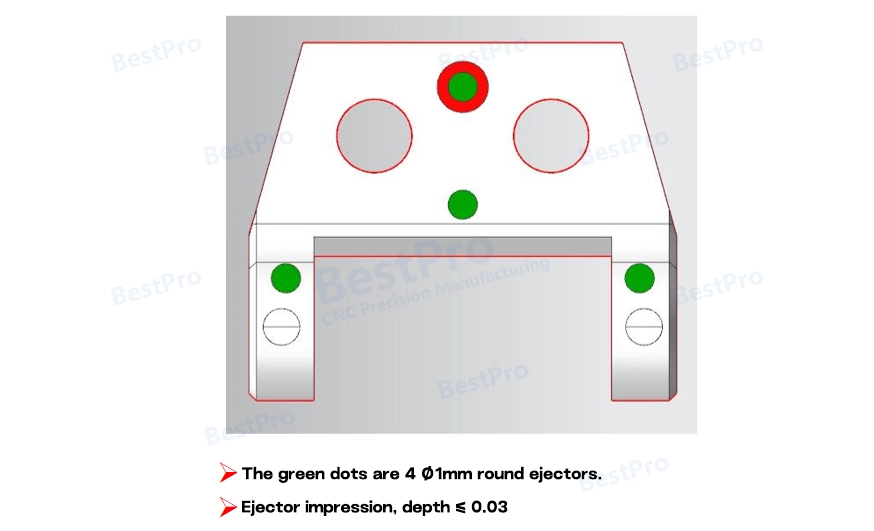
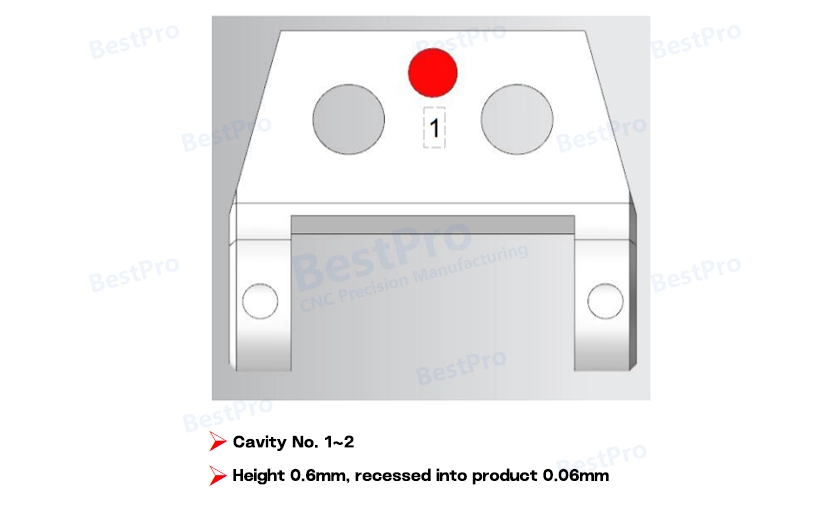
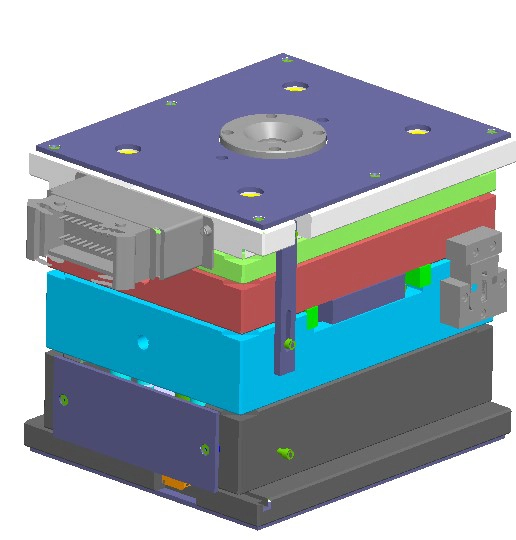
Basic information on mold
MIM Processing
MIM Finished Part Tolerance Generated from Customer 2D Drawing
| Size Range (mm) | Standard Tolerance (mm) |
|---|---|
| 0-3 | ±0.03 |
| 3-8 | ±0.05 |
| 8-15 | ±0.08 |
| 15-30 | ±0.10 |
| 30-45 | ±0.12 |
| 45-60 | ±0.15 |
| 60-80 | ±0.20 |
Quality Assurance & Quality Control
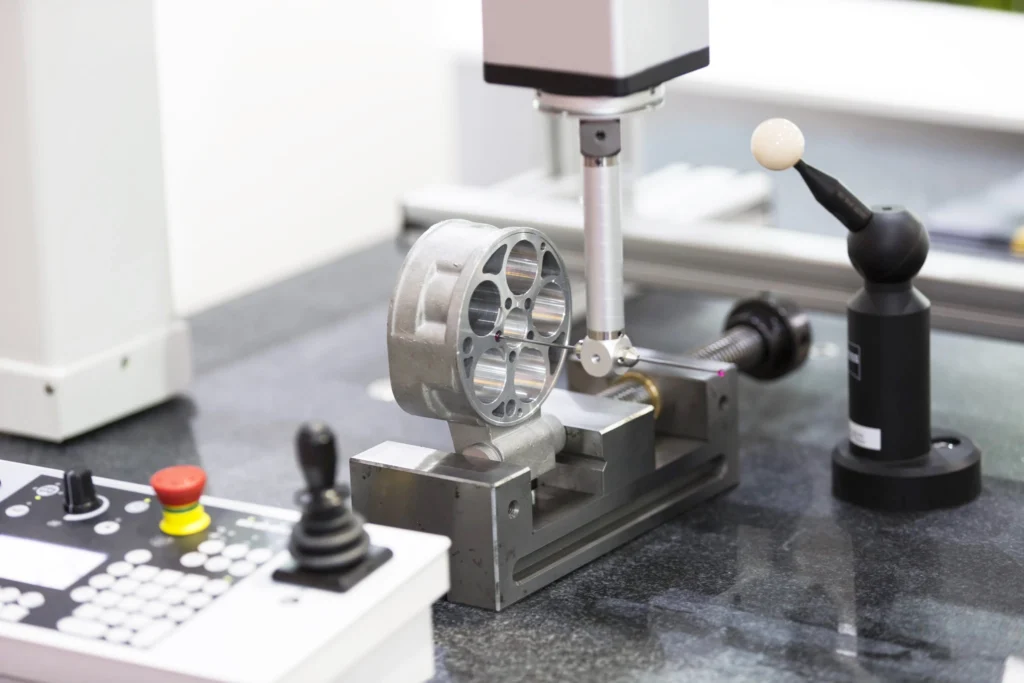
Our integrated quality assurance (QA) and quality control (QC) systems ensure the highest production standards. ISO standard certifications uphold our quality management system, while the QC team conducts detailed inspections using advanced, calibrated equipment like CMM, VMS, calipers, hardness testers, etc… This dual approach “focused on prevention and precise inspection” ensures all parts meet stringent specifications and customer requirements, maintaining top precision, performance, and reliability.
FAQ
Q: What tolerances can you achieve with MIM?
A: Typically ±0.03mm, depending on geometry and material.
Q: What MIM materials do you offer?
A: 17-4PH, 316L, low alloy steels, soft magnetic alloys, CoCrMo, etc.
Contact BestPro for all things MIM Custom!
Request a quote, contact us, or send us an email to brighty@bestprocnc.com for any additional information about our services.

