
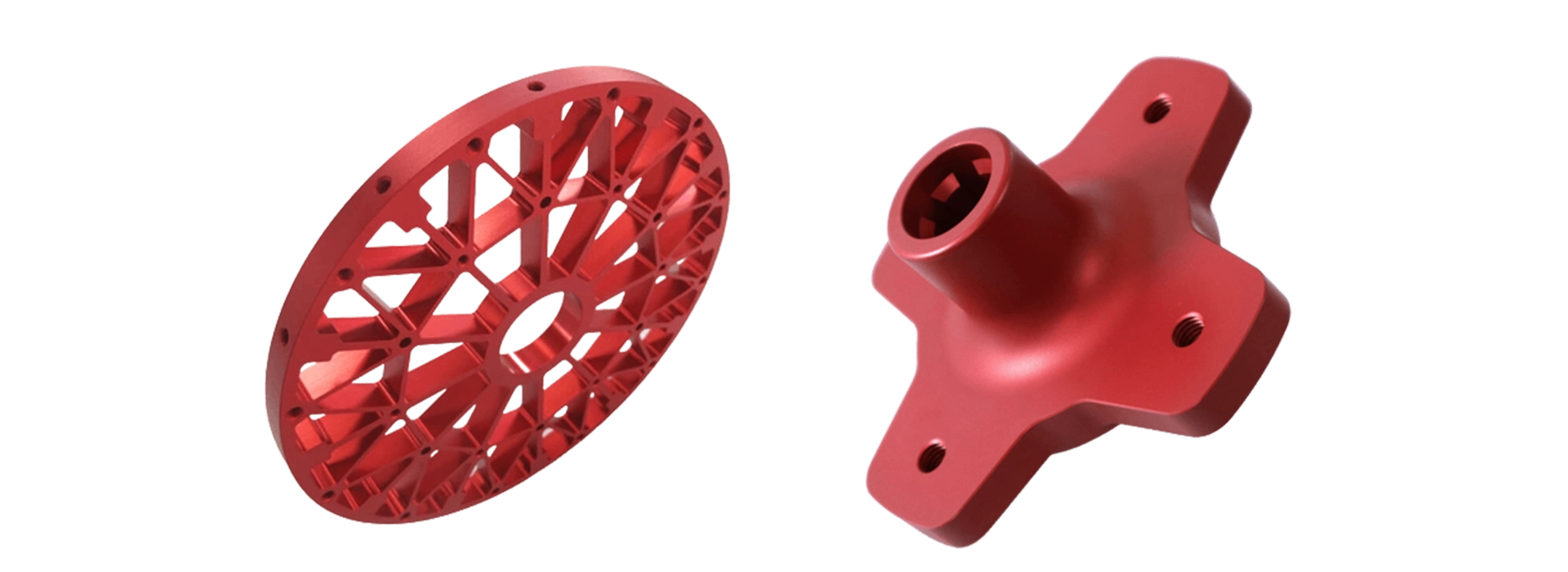
Surface finishing is a crucial step in the manufacturing process, particularly for metal parts. It not only enhances the appearance but also improves the performance, longevity, and corrosion resistance of the components. Whether it’s for aerospace, automotive, medical, or industrial applications, the right surface treatment ensures that metal parts meet specific functional and aesthetic requirements.
What is Metal Parts Surface Finishing?
Metal surface finishing refers to a range of processes designed to alter the outer surface of metal components to improve their properties. These processes can be mechanical, chemical, or electrochemical, each offering unique benefits. Common surface treatments include coating, polishing, anodizing, plating, and grinding, among others.
Common Types of Metal Surface Finishing
- Anodizing: This electrochemical process enhances corrosion resistance and improves wear resistance, often used for aluminum parts. Anodizing also allows for color customization, giving parts a sleek and professional appearance.
- Electroplating: Electroplating involves depositing a thin layer of metal (such as chrome, nickel, or gold) onto the surface of a part. This provides improved corrosion resistance, better conductivity, and an attractive finish.
- Powder Coating: Powder coating involves applying a dry powder to the surface of a part, which is then heated to form a durable, hard finish. This process is ideal for achieving a smooth, long-lasting surface with strong color retention.
- Polishing: Polishing is used to smooth and shine the surface of a part, enhancing its visual appeal. This is especially important for parts that are visible in finished products, such as consumer electronics or automotive parts.
- Shot Blasting: This process uses abrasive materials to clean and prepare metal surfaces for further treatment. It can also improve the part’s appearance and reduce surface defects, making it ideal for high-stress applications.
- Passivation: This chemical process is primarily used for stainless steel and other metals to enhance corrosion resistance by removing free iron and creating a protective oxide layer.
Benefits of Surface Finishing
- Improved Durability: Many surface treatments enhance a part’s ability to resist wear, corrosion, and abrasion, increasing its lifespan and reducing maintenance costs.
- Enhanced Aesthetics: Surface finishes like polishing, anodizing, or powder coating can provide a high-quality, visually appealing appearance, which is important for products where appearance matters.
- Better Performance: Surface treatments can improve friction, conductivity, and other material properties, ensuring that the part performs as intended in its final application.
- Corrosion Resistance: Treatments like anodizing or plating help protect metal parts from rust and corrosion, making them suitable for harsh environments or outdoor use.
Why Choose BestPro for Your Surface Finishing Needs?
At BestPro, we specialize in providing high-quality surface finishing services tailored to the unique requirements of each project. Our advanced equipment and skilled technicians can help you achieve the perfect finish, whether it’s for enhanced durability, corrosion resistance, or an improved aesthetic look.
With expertise in a wide range of surface treatments, from anodizing and electroplating to polishing and powder coating, BestPro ensures that every part meets the highest standards of quality. Whether you’re looking to finish a small batch of prototypes or large-scale production runs, we offer customized solutions to meet your specific needs.
This version is concise, and professional, and includes a mention of BestPro for custom services. Let me know if you’d like to add or adjust anything!

