
Introduction:
Metal Injection Molding (MIM) has long been recognized as a game-changer in the manufacturing industry, combining the design flexibility of plastic injection molding with the strength and durability of metal. As industries demand more complex, high-performance components, MIM technology continues to evolve. Let’s explore the latest innovations shaping the future of MIM.
1. Enhanced Materials for Superior Performance
Recent advancements in MIM materials have expanded the range of applications. New alloy formulations, including high-temperature alloys, stainless steels, and titanium-based materials, are enabling the production of components that withstand extreme conditions. These materials are ideal for industries like aerospace, medical devices, and automotive, where strength, corrosion resistance, and lightweight properties are critical.
2. Precision at Micro Scales
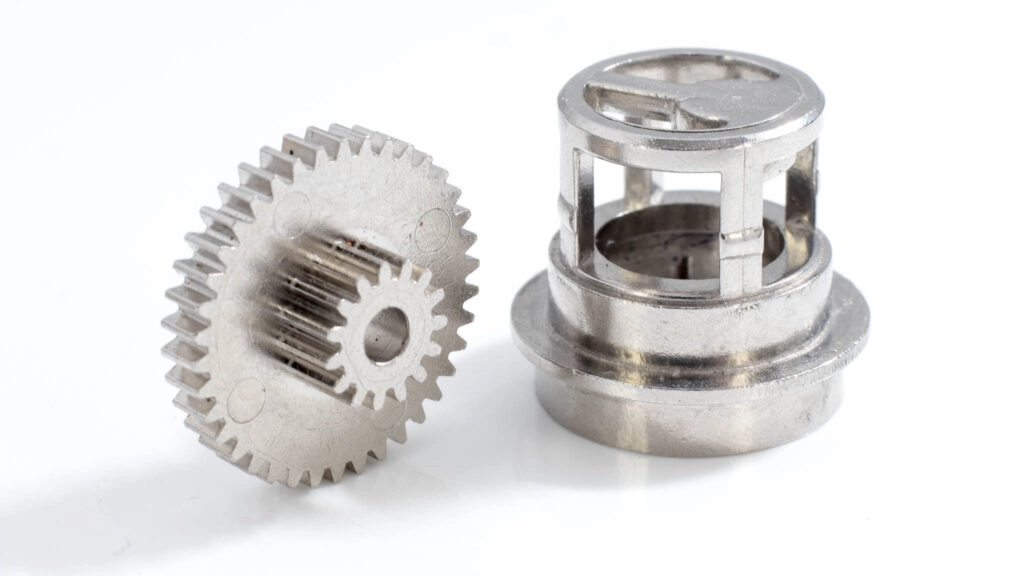
One of the most exciting developments in MIM is the ability to produce micro-scale components with exceptional accuracy. Advanced tooling and optimized sintering processes now allow for the creation of intricate geometries and fine details, meeting the growing demand for miniaturized parts in electronics and medical devices.
3. Sustainable Manufacturing Practices
Sustainability is a key focus in modern manufacturing, and MIM is no exception. Innovations in feedstock recycling and energy-efficient sintering furnaces are reducing waste and energy consumption. Additionally, the ability to produce near-net-shape components minimizes material usage, making MIM an environmentally friendly choice.
4. Integration with Industry 4.0
The adoption of smart manufacturing technologies is transforming MIM production. Real-time monitoring, AI-driven process optimization, and automated quality control systems are improving efficiency, reducing defects, and ensuring consistent quality. This integration is paving the way for faster production cycles and cost-effective solutions.
5. Expanding Applications Across Industries
From medical implants to automotive sensors, MIM is finding new applications in diverse sectors. The technology’s ability to produce complex, high-strength parts with tight tolerances is driving its adoption in emerging fields like renewable energy and consumer electronics.
Conclusion:
The latest advancements in MIM technology are pushing the boundaries of what’s possible in precision manufacturing. With improved materials, micro-scale capabilities, sustainable practices, and smart manufacturing integration, MIM is poised to play a pivotal role in the future of industrial production.
Stay ahead of the curve by leveraging these innovations for your next project. Contact us to learn how our cutting-edge MIM solutions can meet your unique needs.

